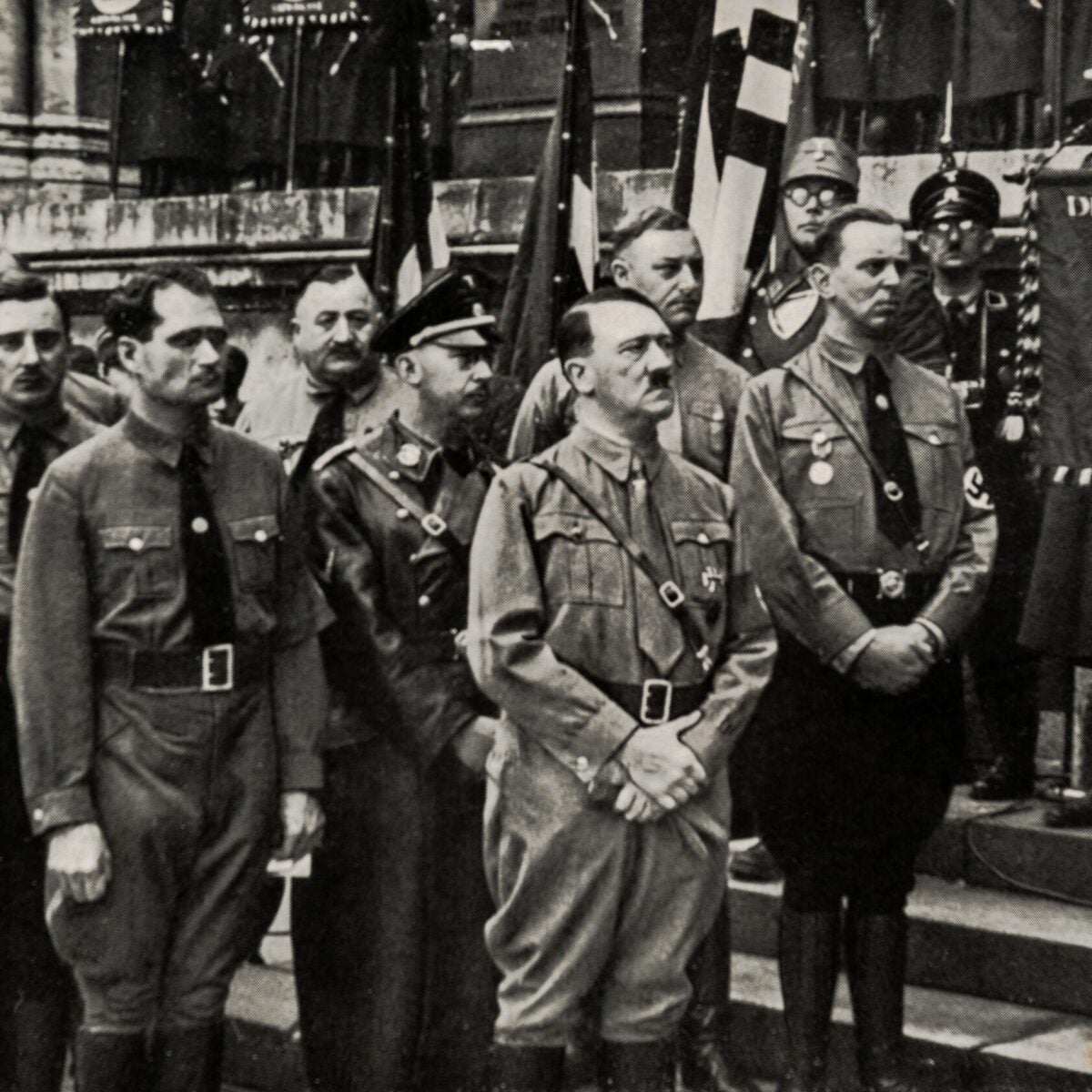
In today’s political discourse, the term “Nazi” is used far too frequently and often inappropriately. Drawing parallels to the Nazi Party is a serious matter that carries historical weight and potential harm when misapplied. Public debate about the causes and culprits of violence in America is frequently shaped by partisan reporting, which could lead to more harm. Although analyzing contemporary violence is important, equating it with one of history’s greatest evils oversimplifies complex realities. Some critics have labeled figures of American government administrations as “Nazis,” yet a careful study of history and the Nazi regime’s strategic use of violence to seize and maintain power makes such comparisons misguided and historically inaccurate. Some teachers have embraced this dangerous narrative and built it into their curriculum, intentionally or not, embedding falsehoods in students’ minds that Nazis are having a moment in real American leadership. This lesson guides students to examine the key actions and events that defined the Nazi Party’s unique rise in Germany in the 1920s. Additionally, this lesson emphasizes the importance of understanding the inappropriateness of casually using the term “Nazi” or labeling others with it. Such language not only trivializes one of the darkest periods in history but also undermines thoughtful and respectful dialogue.
Download: Before the Reich Lesson Plan